
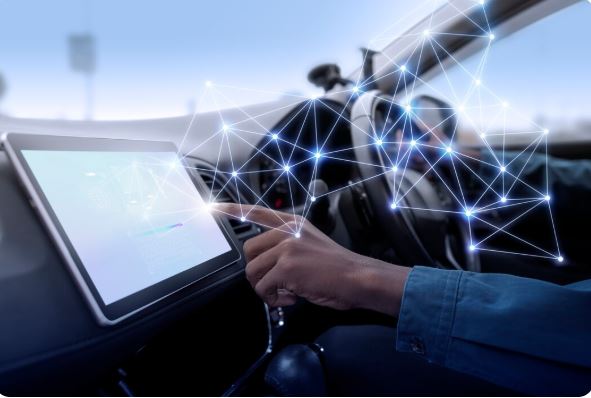
Modern vehicle checks are undergoing a dramatic transformation thanks to advances in data and technology. For both consumers and professionals, instant digital access to vehicle information has made it possible to perform screens and verifications with a level of accuracy and convenience previously unthinkable. Whether you’re an individual looking to make an informed car purchase or an automotive business focused on compliance, a vehicle dvla check serves as a vital gateway to trustworthy data, ensuring safety, transparency, and operational efficiency.
The evolution of vehicle checks
Historically, checking a car’s history or condition was a manual process. Buyers would rely on paper logbooks, basic visual inspections, and the word of sellers. This system, while functional, was open to errors and even fraud. Odometer rollbacks, undisclosed accidents, or outstanding finance were only discovered long after purchase, often at high personal or organizational cost. Today, however, the shift towards digitization has changed this landscape. Vehicle data is now collected and verified by national authorities, manufacturers, insurers, service centers, and other stakeholders.
These advancements mean that modern vehicle checks do not depend solely on physical inspection. By aggregating vast quantities of data, MOT histories, mileage records, previous ownerships, accident records, and more, organizations enable a far deeper understanding of a car’s history. This digital documentation, available instantly online, forms the basis for smarter, faster decisions across every sector of the automotive industry.
The backbone: data aggregation and integration
Central to the effectiveness of any vehicle checking platform is its ability to aggregate and cross-reference multiple data sources. National databases such as the DVLA, police records, financial institutions, and commercial data providers each contribute crucial information. By integrating these datasets, it’s possible to create a comprehensive view of a vehicle’s status in real time. Technology ensures that this data is continuously updated, minimizing the risk of relying on outdated or incomplete details.
With the proliferation of APIs and standardized data protocols, automotive platforms can pull live data feeds into consumer-facing apps or professional dashboards. This means a user can check outstanding finance, verify published details, and even access emissions ratings with just a few clicks. The integration of data is not restricted to the vehicle’s history. Modern systems allow for real-time location tracking, telematics, and usage-based insurance assessments, all contributing to the transparency and reliability of a vehicle’s record.
Technological tools enhancing reliability
Technology has also brought forth a range of analytical tools that go beyond simple data presentation. Machine learning and AI-driven analytics are increasingly used to detect inconsistencies and potential fraud in vehicle histories. Algorithms can flag suspicious mileage patterns or unusual changes in vehicle registration, alerting both consumers and businesses to proceed with caution. This proactive risk management was impossible to achieve at scale in the eras of manual inspection.
Improvements in user experience, such as intuitive mobile apps and real-time notifications, make the insights from data instantly actionable. For the dealership or fleet management sector, automated vehicle check integrations streamline compliance checks and reporting. Enhanced by cloud computing, these platforms scale efficiently, supporting thousands of transactions daily without performance degradation. Ultimately, the accessibility and clarity offered by today’s technology-driven vehicle checks create new benchmarks for transparency and accuracy.
Impacts on automotive stakeholders
The transition to technology-driven vehicle checks impacts every segment of the automotive market. For private used-car buyers, instant access to a vehicle’s history reduces risk and supports confident purchasing decisions. Dealerships, meanwhile, benefit from streamlined onboarding of vehicles; automated checks help maintain reputation and regulatory compliance. Insurers and finance providers, tasked with minimizing risk and ensuring traceability, also rely on comprehensive, real-time data for underwriting and due diligence.
Fleet operators are another beneficiary. With large numbers of vehicles to monitor and manage, digital platforms enable bulk checks, customizable alerts, and integration with other business software. Regulatory agencies, tasked with road safety and fraud prevention, can more swiftly cross-reference records and initiate action when needed. Ultimately, the synergy between data and technology aligns the interests of all these parties in pursuit of safer transactions and better vehicles on the road.
Challenges and considerations in data accuracy
Despite the advances, challenges remain in ensuring that the data underpinning vehicle checks is both accurate and up-to-date. Data gaps may exist where vehicles have changed hands informally, missed inspections, or been maintained outside authorized service networks. Addressing these challenges involves ongoing investment in data quality management and verification protocols. There is a continuous need for cross-sector collaboration to ensure that data silos do not prevent comprehensive insight.
Privacy and data security are critical considerations as well. Handling sensitive owner and vehicle data demands adherence to robust standards such as GDPR, as well as transparency with users about how information is processed and stored. As cyber threats evolve, so too must the technology protecting automotive data infrastructure. This means regular audits, encryption, access controls, and incident response strategies form an integral part of any modern vehicle checking service.
Looking ahead: emerging trends in automotive data
The future of vehicle checks will see even tighter integration of new technological capabilities. The emergence of blockchain offers the potential for tamper-proof vehicle records, drastically reducing the risk of fraud and ensuring full traceability from manufacturer to end user. Artificial intelligence will continue to refine data analytics, enabling not just reactive but also predictive insights, such as alerting an owner of likely maintenance issues before they occur.
Connected vehicles, those equipped with onboard sensors and internet connectivity, create entirely new streams of data to enhance checks, maintenance, and recalls. This connectivity is expected to fuel innovations like over-the-air updates, remote diagnostics, and dynamic insurance pricing based on real-world usage. For all stakeholders, staying at the forefront of automotive technology means not only adopting new tools but investing in the expertise and systems to interpret and apply the data responsibly and effectively.
The evolving role of digital identification
One particularly promising area is digital identification, where secure digital keys and electronic owner records replace traditional documents and paper logbooks. These systems simplify the transfer of ownership, help to combat vehicle theft, and speed up verification processes for buyers and authorities. In tandem with biometric or secure app-based authentication, digital identification is set to become the norm in modern vehicle transactions.
Integration with smart city infrastructure and the wider Internet of Things means that, in the near future, vehicles might automatically report status updates, maintenance needs, or even accidents to insurers and authorities in real time. The infrastructure to support these advances is already taking shape, delivering benefits from reduced administrative overhead to higher levels of road safety for all.
Conclusion is not provided, exploration continues
As the automotive sector continues to innovate, the role of data and technology in vehicle checks will remain pivotal. Consumers, businesses, and regulators are all beneficiaries of this transformation, enjoying heightened transparency and confidence in every transaction. The ongoing development of tools, protocols, and standards will ensure that vehicle checks become ever more reliable, accessible, and insightful as technology evolves further.
Stakeholders across the automotive value chain are encouraged to engage with these advances, driving best practices and fostering collaboration to overcome hurdles. The journey is ongoing, with each new development further embedding data-driven decision-making into the fabric of modern automotive dealings. As we look to the future, the potential for improved safety, efficiency, and convenience in automotive transactions continues to expand.