
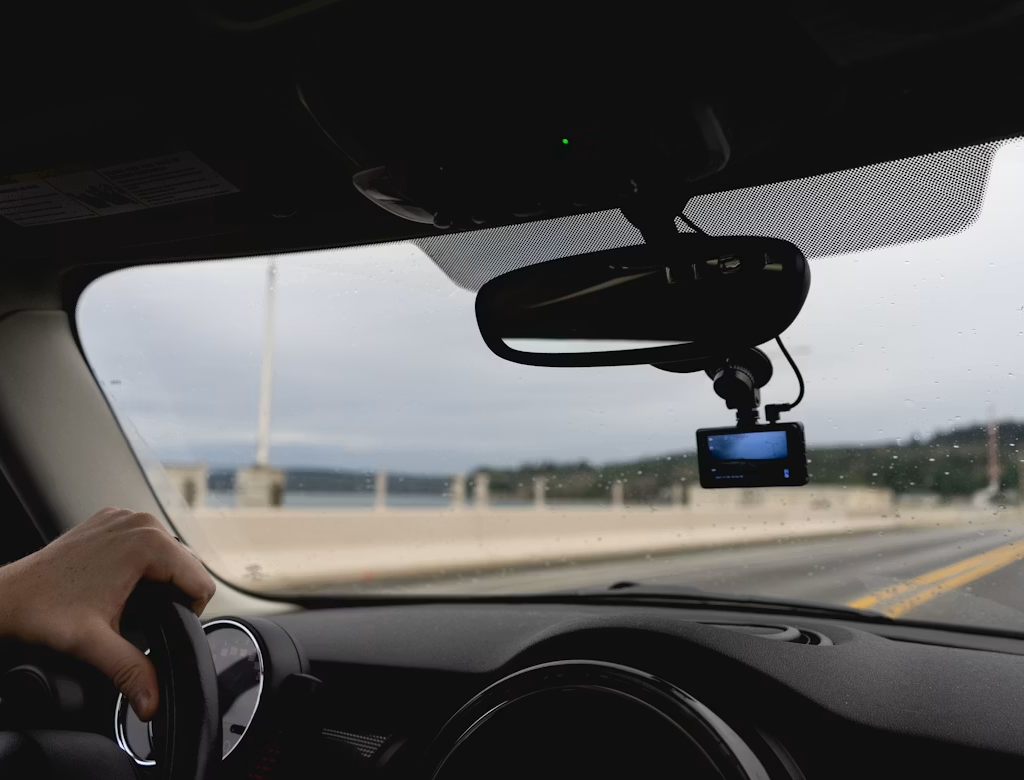
Not long ago, proving what happened in a car accident often relied on eyewitness statements, photographs, and police reports. While these still play an important role in supporting accident claims, you now have access to advanced accident investigation technology that can provide a much clearer picture of what occurred.
Today, you have access to far more than eyewitness statements and police reports when proving what happened after a crash. Dashcams, traffic cameras, vehicle black box data, and even smartphone records can provide objective, time-stamped evidence that helps establish the sequence of events and strengthen your accident claim.
You may wonder how this technology helps prove fault, and how it can work to your advantage. This article explains how vehicle data and technology are strengthening car accident claims.
- Black Box Data
Most modern passenger vehicles are equipped with an Event Data Recorder (EDR), often called a black box. These devices capture important information in the seconds leading up to a crash, including vehicle speed, braking, seat belt use, throttle position, and other key driving inputs.
If you are involved in an accident, this data can provide valuable evidence to support your claim. It may show whether a driver was speeding, failed to brake in time, wasn’t wearing a seat belt, or tried to avoid the collision. Unlike eyewitness accounts, black box data offers an objective record of what happened.
Your lawyers from Davies Hothem Injury Law and investigators can also combine black box data with physical evidence using accident reconstruction technology. Specialized software helps recreate the collision step by step, illustrating how the vehicles moved and where the impact occurred. This can be especially helpful when fault is disputed or the accident results in serious injuries.
- Dashcam and Surveillance Footage
Dashcam footage can be one of the most valuable pieces of evidence after a car accident. If your vehicle, another driver’s car, or a commercial fleet has a dashcam, the recording can provide a clear, time-stamped account of the moments before the collision. It may capture:
- Traffic conditions
- Traffic signal changes
- Sudden braking or lane changes
- The exact moment of impact
Surveillance cameras at nearby businesses, parking garages, residential buildings, or traffic intersections may also record the crash from different angles. Together, these recordings help establish a clear timeline, reduce conflicting accounts, and provide objective evidence that can strengthen your accident claim and support a more accurate determination of fault.
- Smartphone and Wearable Data
Your smartphone and wearable devices can provide valuable digital evidence after a car accident. GPS records, activity logs, and other data may help establish what happened before, during, and after the collision. Depending on the circumstances, investigators may review:
- GPS location and driving data, to help verify your location, speed, and route at the time of the accident
- Heart rate records, which may show a sudden spike consistent with a driver’s reaction to an unexpected hazard
- Activity levels, which could support or challenge claims about the severity of accident-related injuries
- Social media posts, if photos, videos, or comments contradicting statements made during an injury claim
- Smartphone telematics, which may reveal whether a driver was using their phone or engaging in distracted driving before the crash
Endnote
Modern technology has transformed the way you can investigate and support a car accident claim. As vehicles become more advanced and digital evidence becomes more accessible, you have more tools than ever to help establish what happened before, during, and after a collision.
Evidence such as black box data, dashcam footage, smartphone records, and surveillance video can provide an objective account of the crash, helping prove fault, resolve liability disputes, and strengthen your claim for compensation.