

The automotive industry is changing quicker than ever before and cars are more software-defined, advanced driver assistance system (ADAS)-centric, connected, and electronically complex.
As vehicles become smarter, testing technology needs to become smarter too. Engineers and technicians are looking for solutions that allow them to observe, analyze, and validate vehicle systems in real-time without disrupting development.
One of the best tools to improve utilization of out-of-context displays is modern automotive diagnostics. External displays allow engineers real-time access to important testing information, increase visibility during road tests and help teams detect issues faster.
Understanding External Displays in Automotive Testing
An external display is an additional screen that can be connected to your vehicle’s testing environment. They provide live vehicle data outside of a vehicle’s factory installed infotainment system or dash.
External displays are most often used when:
- Running Vehicle Diagnostics
- Testing ECUs
- Validating ADAS
- Checking Battery Performance
- Infotainment Testing
- Road & Track Testing
While some external displays can be used as a substitute for in-vehicle screens, they are meant to be specialized tools. That means you’re more likely to find features like durability, ultra brightness, touch functionality, and more I/O options.
Types of External Displays Used in Vehicle Testing
Automotive teams use different display setups depending on testing requirements.
Common options include:
- Rugged industrial monitors
- Portable touchscreen displays
- Wireless diagnostic screens
- Multi-monitor testing systems
- High-resolution engineering displays
- Vehicle-mounted external monitors
Each solution helps technicians monitor vehicle systems more effectively during both stationary and dynamic testing conditions.
Integration With Vehicle Systems
Displays can also integrate with vehicle systems allowing live data, sensor output, and performance metrics to be viewed in real time. These include diagnostic tools, vehicle ECUs, CAN bus, and other on-board communication networks.
The displays may show:
- Engine data
- Battery temps
- Radar camera
- Sensor Status/Fails
- Diagnostic Trouble Codes
- Vehicle Telemetry
- Powertrain data
By viewing this data in real time, the time to discovery and repair is greatly minimized.
Need Better Visualization? Here’s Why Today’s In-Vehicle Testing Requires It
Cars have never been more complicated. Console displays and laptop screens limit visibility. Test data often gets recorded by hand, reducing test velocity.
Connectivity to external displays can answer many of these problems by allowing greater visibility into live data.
Limitations of Traditional Testing Methods
Older testing approaches create several operational challenges:
- Limited access to live vehicle data
- Difficulty monitoring multiple systems simultaneously
- Slower fault detection
- Increased dependency on post-test analysis
- Higher risk of missing intermittent issues
- Reduced visibility during road testing
These limitations can delay vehicle validation and increase development costs.
Real-Time Data Interpretation Improves Decision-Making
Engineers can visualize data in real-time during live testing sessions with external displays. This ability is even more critical for high-speed road tests, autonomous vehicle testing and EV battery diagnostics.
Teams can immediately:
- Detect abnormalities
- Compare multiple sensor outputs
- Verify software behavior
- Identify communication failures
- Validate system performance under real-world conditions
The faster the interpretation, the more efficient the testing, and the less time spent troubleshooting.
Key Benefits of External Displays for In-Vehicle Testing Efficiency
External displays provide measurable operational advantages across nearly every automotive testing environment.
Enhanced Real-Time Monitoring
One of the biggest advantages of using external displays is the ability to monitor in real time. Engineers can see live telemetry data when the vehicle is running in real driving conditions.
Benefits include:
- Simultaneous monitoring of multiple systems
- Easier visualization of complex datasets
- Faster identification of abnormal readings
- Improved synchronization between testing teams
This visibility reduces delays in diagnostics and minimizes repeated testing cycles.
Improved Diagnostic Accuracy
External displays can help to reduce human error by providing more detailed and clearer information. Engineers no longer need to rely on small in-vehicle displays or lagging log analysis.
High-resolution displays improve:
- Sensor visibility
- Fault detection
- Data comparison
- Calibration accuracy
- Software validation
As a result, testing teams can diagnose issues more precisely and efficiently.
Faster Testing Cycles
Vehicle manufacturers are under constant pressure to reduce time-to-market. External displays accelerate testing processes by streamlining workflows and improving communication between teams.
With better visualization tools, engineers can:
- Resolve issues during testing sessions
- Reduce downtime between tests
- Minimize duplicate evaluations
- Improve collaboration between departments
Shorter testing cycles help manufacturers bring vehicles to market faster.
Better Safety During Road Testing
Road testing often requires engineers to monitor data while the vehicle is moving. External displays improve safety by allowing passenger-side monitoring without distracting the driver.
This setup enables:
- Safer diagnostic monitoring
- Improved focus for drivers
- Better coordination between testing personnel
- More efficient road evaluations
Safety improvements are particularly important during high-speed or autonomous vehicle testing.
Applications of External Displays Across Automotive Testing
External displays are now widely used across different automotive testing environments because of their flexibility and performance advantages.
ADAS and Autonomous Vehicle Testing
Advanced driver assistance systems rely heavily on cameras, radar, LiDAR, and AI-powered decision-making systems. External displays help engineers monitor these technologies during live road tests.
Testing teams can visualize:
- Lane detection systems
- Object recognition
- Collision avoidance responses
- Traffic sign detection
- Sensor synchronization
- Autonomous navigation behavior
Real-time monitoring is essential for validating autonomous driving technologies safely and accurately.
Electric Vehicle Battery Testing
Electric vehicles require extensive battery and thermal management testing. External displays help engineers analyze battery behavior under different operating conditions.
Critical metrics include:
- Battery temperatures
- Charging efficiency
- Energy consumption
- Voltage stability
- Thermal performance
- Regenerative braking behavior
Efficient monitoring helps manufacturers improve battery reliability and vehicle range.
Infotainment and HMI Validation
Modern vehicles feature sophisticated infotainment systems and digital interfaces. External displays support testing of human-machine interaction systems by providing expanded visualization during validation procedures.
Teams can test:
- Touchscreen responsiveness
- Display synchronization
- User interface performance
- Navigation systems
- Multimedia functionality
- Voice assistant integration
Improved visualization speeds up interface troubleshooting and optimization.
Fleet and Commercial Vehicle Diagnostics
Commercial vehicle fleets also benefit from external display technology during maintenance and diagnostics.
Applications include:
- Predictive maintenance analysis
- Engine diagnostics
- Fleet performance monitoring
- Real-time service evaluations
- Vehicle health reporting
These tools help reduce downtime and improve operational efficiency for fleet operators.
Important Features to Look for in Automotive External Displays
Choosing the right display is essential for maximizing testing efficiency. Automotive testing environments often involve vibration, heat, outdoor conditions, and continuous operation.
Rugged Design and Durability
Automotive testing displays should withstand harsh conditions.
Important durability features include:
- Shock resistance
- Vibration tolerance
- Heat resistance
- Dust protection
- Outdoor readability
Rugged hardware ensures reliable performance during demanding testing procedures.
High Resolution and Low Latency
Fast and accurate visual feedback is critical during vehicle diagnostics.
Displays with high resolution and low latency provide:
- Sharper data visualization
- Improved camera feed quality
- Faster response times
- Better monitoring accuracy
Low-latency performance is especially important for autonomous and ADAS testing.
Flexible Connectivity Options
Modern testing environments require compatibility with multiple diagnostic systems.
Useful connectivity features include:
- HDMI support
- USB-C connectivity
- Ethernet integration
- Wireless data transmission
- CAN bus compatibility
Flexible connectivity allows engineers to integrate displays easily into existing testing workflows.
Portable Mounting Solutions
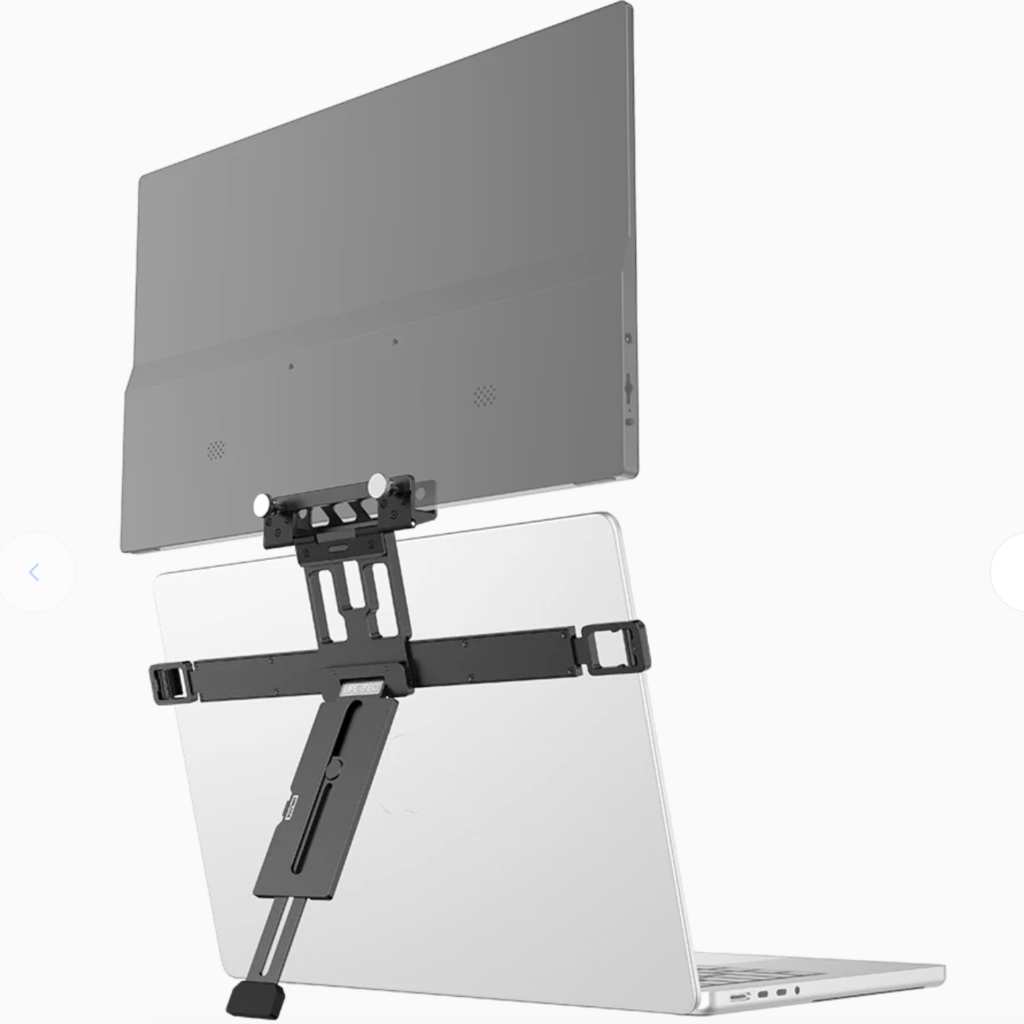
Vehicle testing setups vary significantly depending on the environment. A portable monitor which has adjustable mounting systems improves convenience and usability.
Engineers benefit from:
- Adjustable mounting brackets
- Compact display designs
- Easy repositioning
- Quick installation and removal
Proper positioning improves visibility and overall testing efficiency.
Best Practices for Using External Displays in Vehicle Testing
Proper implementation is essential for achieving the best results from external display systems.
Optimize Display Placement
Displays should be positioned for maximum visibility without obstructing driver movement or vehicle controls.
Placement considerations include:
- Passenger-side visibility
- Reduced glare
- Secure mounting
- Minimal driver distraction
Use Synchronized Data Logging
Combining external displays with synchronized logging systems improves post-test analysis and troubleshooting accuracy.
Maintain System Security
Connected testing systems must be protected against unauthorized access and data breaches.
Security measures should include:
- Encrypted communication
- Secure network configurations
- Access control protocols
- Regular software updates
Cybersecurity is increasingly important in connected vehicle environments.
Future Trends in External Display Technology
The future of automotive testing will continue to rely heavily on advanced visualization systems.
AI-Powered Visualization
Artificial intelligence is beginning to improve testing workflows by automatically identifying anomalies and highlighting performance issues during live diagnostics.
AI-assisted systems can help engineers:
- Detect irregular behavior faster
- Prioritize critical alerts
- Automate analysis workflows
- Improve predictive diagnostics
Augmented Reality Testing Interfaces
Augmented reality may soon enhance testing environments by overlaying live diagnostic information directly onto the engineer’s field of view.
Potential benefits include:
- Improved situational awareness
- Faster diagnostics
- Enhanced technician interaction
- More immersive testing environments
Cloud-Based Testing and Remote Collaboration
Cloud-connected displays are enabling remote engineering collaboration and real-time data sharing across global development teams.
These systems support:
- Remote diagnostics
- Live data streaming
- Distributed engineering workflows
- Faster issue resolution
Cloud integration will likely become standard in future automotive testing environments.
Conclusion
External displays have become an important tool in improving in-vehicle testing efficiency in modern automotive development. They allow real-time visibility into complex vehicle systems, improve diagnostic accuracy, enhance safety for road testing and speed up the overall validation process.
With the vehicle’s continued evolution through the use of advanced electronics, autonomous technologies and connected systems, the need for reliable visualization tools will only grow. Automotive manufacturers and engineering teams that invest in high-quality external display solutions will be able to streamline testing workflows and reduce development delays and improve vehicle performance more effectively.