
Automotive manufacturing is evolving rapidly, driven by electrification, automation, and tighter quality standards. As production systems become faster and more integrated, one persistent challenge has grown more complex rather than disappearing: heat management. From engine testing to electronics validation and materials processing, thermal stress now affects far more than isolated components—it shapes the reliability of entire manufacturing lines.
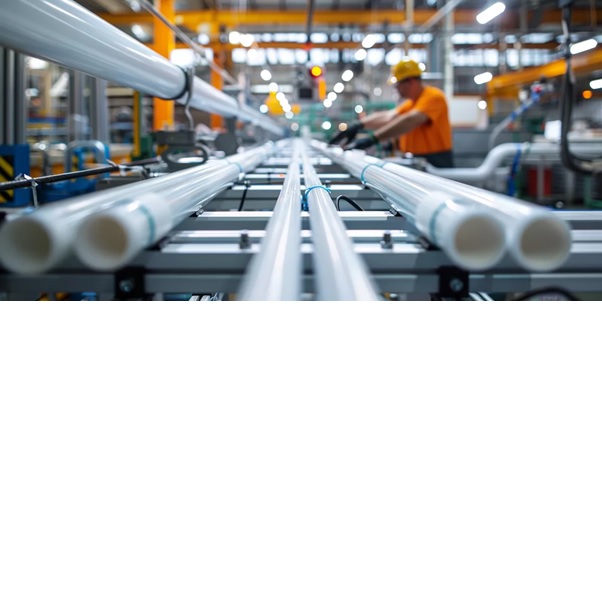
Modern production facilities operate across a wide range of temperature zones, including thermal chambers, endurance test benches, exhaust validation systems, and heat-treatment areas. In these environments, engineers increasingly rely on material-level solutions to maintain stability and safety. Components such as alumina ceramic tubing for high-temperature environments are often integrated into insulation assemblies and test systems where sustained heat exposure and electrical isolation are critical to consistent operation.
Heat as a System-Level Manufacturing Constraint
Unlike earlier production models, where heat was concentrated around engines or furnaces, today’s automotive plants experience distributed thermal loads. High-speed automation, continuous operation, and dense electronic integration generate heat across multiple stages of production. If not properly managed, these conditions can lead to dimensional drift, sensor inaccuracies, accelerated equipment wear, and unexpected downtime.
As tolerances tighten and quality requirements rise, thermal stability becomes essential not only for product performance but also for manufacturing repeatability. Even minor temperature fluctuations can affect measurement accuracy during inspection and validation processes.
Why Traditional Cooling Alone Is No Longer Enough
Conventional cooling strategies—airflow management, liquid cooling, and physical separation—remain important but are increasingly insufficient on their own. Modern manufacturing environments demand predictable thermal behavior, not just heat dissipation. This shift has pushed engineers to consider how materials themselves respond under sustained or cyclic thermal stress.
By incorporating heat-tolerant materials into critical zones, manufacturers reduce reliance on active cooling systems and improve overall equipment effectiveness. Material selection has become a proactive tool in thermal control rather than a secondary consideration.
Electrification and New Thermal Profiles
The rise of electric and hybrid vehicles has redistributed heat challenges rather than eliminating them. Battery formation, power electronics testing, and thermal cycling introduce new heat-sensitive processes that coexist with traditional high-temperature operations. Manufacturing lines must now support both extreme heat zones and tightly controlled thermal environments within the same facility.
This dual requirement increases the importance of stable insulation, predictable material behavior, and long-term durability under repeated thermal exposure.
Automation Reliability Under Thermal Stress
Automation systems are particularly sensitive to temperature variations. Excessive heat can affect sensor calibration, actuator response, cable insulation, and control electronics. As production lines become more autonomous, maintaining thermal consistency becomes critical to avoiding cascading faults across interconnected systems.
Designing for thermal resilience helps protect automation investments and supports consistent output in high-throughput environments.
Safety, Compliance, and Operational Stability
Effective heat management also supports workplace safety and regulatory compliance. Stable thermal conditions reduce operator exposure, lower burn risks, and help ensure consistent testing outcomes required for durability and emissions standards. As human roles shift toward monitoring and maintenance, predictable operating environments remain essential.
Designing Manufacturing Lines for Thermal Resilience
Looking ahead, automotive manufacturers are increasingly designing production systems with thermal resilience as a core requirement. This includes thermal zoning, early-stage material selection, reduced dependence on active cooling, and system-level heat modeling. Heat management now sits at the intersection of materials engineering, automation design, and manufacturing strategy.
Conclusion
As automotive manufacturing continues to advance, heat management has become a defining factor in production reliability and competitiveness. From high-temperature testing and automation stability to worker safety and quality control, thermal challenges influence nearly every stage of vehicle production.
Manufacturers that address heat holistically—through design, materials, and system integration—are better positioned to improve uptime, maintain precision, and adapt to future technological shifts.